Imnaha River Early June Fishing Conditions and Tips for Anglers
Better than normal trout/bull trout/and bass fishing this spring. Like the Wallowa River, the trout are fatter than normal. Unlike the Wallowa, the salmon flies have arrived in good numbers on the lower/mid river. Lots of bull trout throughout the system this year (a fisheries biologist said the Imnaha has 3000 whitefish per mile)! No wonder the bull trout get so big on the Imnaha. Come by our shop to buy one of our whitefish flies. As for bass, they are being caught around cow creek and below. I am waiting for a report on the blue hole.
Current Water Conditions
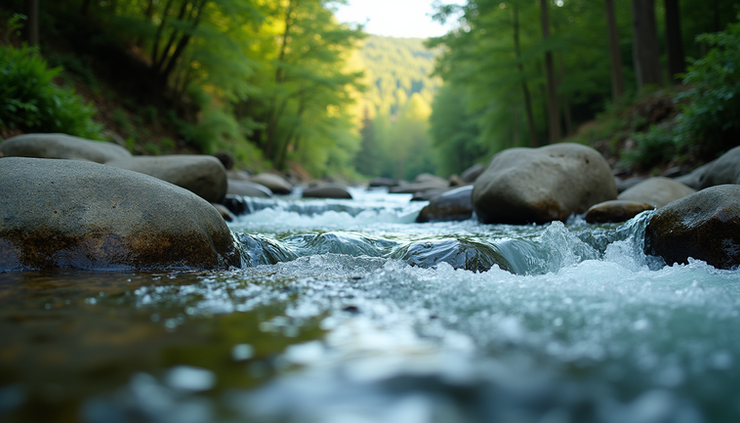
In early June, the Imnaha River typically experiences moderate flows as spring runoff begins to taper off. Water temperatures usually range between 55°F and 60°F, creating favorable conditions for trout and steelhead activity. The river remains clear in most sections, especially upstream, which allows anglers to spot fish more easily but also requires careful presentation to avoid spooking them.
Water clarity and flow can vary depending on recent weather patterns. A few days of rain can raise water levels and increase turbidity, making fishing more challenging but sometimes triggering feeding frenzies. Conversely, extended dry spells can lower flows and concentrate fish in deeper pools.
What This Means for Anglers
Moderate flows make wading safer and more manageable.
Clear water demands stealth and precise casts.
Fish tend to hold in deeper pools or near structure during warmer parts of the day.
Early morning and late evening offer the best chances for active feeding.
Fish Species and Behavior
The Imnaha River is home to wild summer steelhead, rainbow trout, and some resident cutthroat trout. Early June marks the beginning of the summer steelhead run, with fish moving upstream to their spawning grounds. Rainbow trout are active throughout the river, feeding on aquatic insects and small baitfish.
Steelhead in early June can be wary but aggressive when hooked. They often hold near deep pools, undercut banks, and behind large boulders. Rainbow trout are more likely to be found in riffles and runs where food is abundant.
Tips for Targeting Steelhead and Trout
Use bright, natural-colored flies or lures that imitate local insects or small fish.
Focus on deep pools and seams where steelhead rest.
Cast upstream and allow your fly or lure to drift naturally with the current.
Vary retrieval speed to trigger strikes, especially in slower water.
Recommended Gear and Tackle
Selecting the right gear can make a big difference in your success on the Imnaha River. Early June conditions call for versatile equipment that can handle both steelhead and trout.
Rod: A 9 to 10-foot, 6 to 8-weight fly rod works well for most situations.
Line: Use a floating or sink-tip line depending on water depth and current speed.
Leaders: A 9 to 12-foot tapered leader with a 4X to 6X tippet is ideal for delicate presentations.
Flies: Popular patterns include egg imitations, nymphs like pheasant tails and stoneflies, and streamers such as woolly buggers.
Lures: Spinners and small spoons can be effective, especially in faster water.
Waders and boots with good traction are essential for navigating slippery rocks and uneven riverbeds. A polarized pair of sunglasses will help reduce glare and improve fish visibility.
Best Fishing Spots on the Imnaha River
Certain sections of the Imnaha River consistently produce good catches in early June. Knowing where to focus your efforts can save time and increase your chances of success.
Lower Canyon: This area features deep pools and undercut banks favored by steelhead. Access can be challenging but rewarding.
Middle River Runs: Riffles and runs in this section hold active trout feeding on insects.
Upper Tributaries: Smaller streams feeding into the Imnaha offer excellent opportunities for trout and early steelhead.
Always check local regulations and access points before heading out. Some areas may require permits or have seasonal restrictions.
Techniques for Early June Fishing
Adapting your fishing techniques to the conditions is key. Here are some effective methods for early June on the Imnaha River:
Swinging Flies: This technique works well for steelhead holding in current seams. Cast across and downstream, then let your fly swing through the water.
Nymphing: Use weighted nymphs to reach deeper pools where fish feed below the surface.
Dry Fly Fishing: Early mornings and evenings can bring surface activity. Use dry flies that imitate mayflies or caddisflies.
Casting Streamers: Retrieve streamers with short strips to mimic small baitfish, enticing aggressive strikes.
Experiment with different depths and retrieval speeds until you find what triggers bites.
Safety and Conservation Tips
Fishing the Imnaha River requires respect for the environment and personal safety precautions.
Always wear a life jacket when wading in deeper or faster water.
Use barbless hooks to minimize harm to fish and support catch-and-release efforts.
Pack out all trash and avoid disturbing wildlife habitats.
Follow local fishing regulations, including catch limits and seasonal closures.
By protecting the river and its fish populations, anglers help ensure the Imnaha remains a prime fishing destination for years to come.
Planning Your Trip
Early June is a popular time for fishing the Imnaha River, so planning ahead is important.
Book accommodations or camping spots early.
Check weather forecasts and river conditions before your trip.
Bring appropriate clothing for variable weather, including rain gear and layers.
Consider hiring a local guide if you are unfamiliar with the river.
Preparation will help you focus on fishing and enjoy the natural beauty of the area.


Comments